|
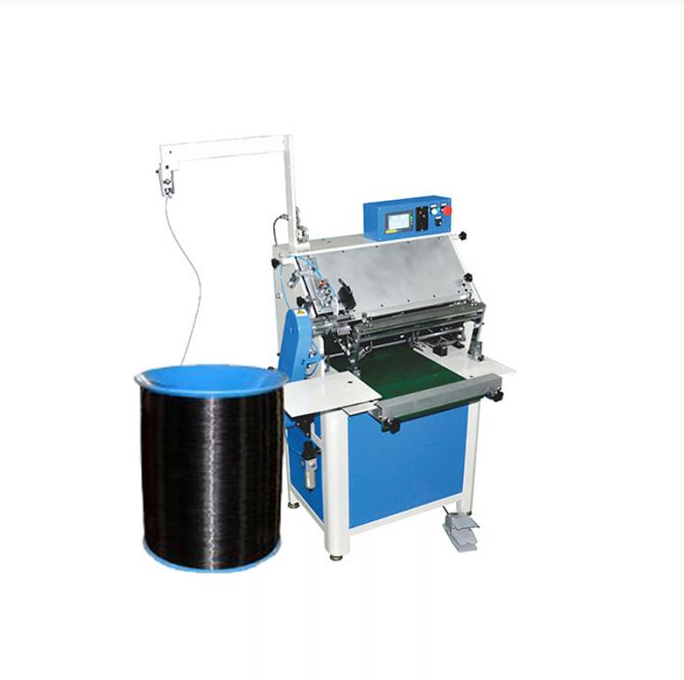
For notebooks, calendars, cookbooks, and technical manuals, spiral binding (also known as coil binding) remains one of the most popular finishing methods. It allows books to open 360 degrees, lie flat on a desk, and withstand heavy daily use. However, traditional spiral binding involves a separate punching step, then manually inserting a pre‑formed coil, and finally crimping the ends – a slow, labour‑intensive process that often becomes a bottleneck. The Spiral Forming and Binding Machine changes that completely. It combines wire forming and book binding in one continuous operation – taking bare spools of wire, forming them into perfect spirals, and simultaneously binding them into pre‑punched books. After binding, it automatically cuts off the two ends and closes them neatly, then drops the finished books into a collection tray. The result: a fast, automated, and highly flexible coil binding solution that dramatically reduces labour and increases output.
Why In‑Line Forming + Binding MattersConventional coil binding requires pre‑coiled spirals in various diameters, pitches, and lengths. Binderies must stock dozens of different coil sizes, and operators spend significant time matching the correct coil to each book. Changing from one coil specification to another means stopping production, finding the right stock, and often manually threading the first few coils. The Spiral Forming and Binding Machine eliminates all that. It starts from bare wire spools – typically galvanised steel or plastic‑coated wire. Inside the machine, the wire passes through a forming station that shapes it into a continuous spiral of the exact diameter and pitch needed for the job. Then, the freshly formed spiral is immediately fed into the book’s pre‑punched holes, cut to the precise length, and crimped at both ends – all in seconds. This integrated approach offers several advantages: No inventory of pre‑formed coils – just change the forming tools (mould and tooth pitch) and use standard wire spools. Zero waiting time – the spiral is made on‑demand, perfectly matched to the book thickness. Consistent quality – every coil is formed under the same tension and pitch, eliminating loose or over‑tight spirals.
Core Features and Workflow1. Quick Changeover by Changing Mould and Tooth PitchDifferent books require different spiral diameters (e.g., 6 mm, 8 mm, 10 mm) and different pitches (distance between loops). The machine accommodates this by allowing the operator to swap the forming mould and adjust the tooth pitch. The changeover takes only a few minutes and requires no special tools. Once set, the machine can run hundreds or thousands of identical coils without variation. This flexibility is ideal for binderies that handle a wide range of notebook sizes – from small pocket diaries to large A4 desk calendars. 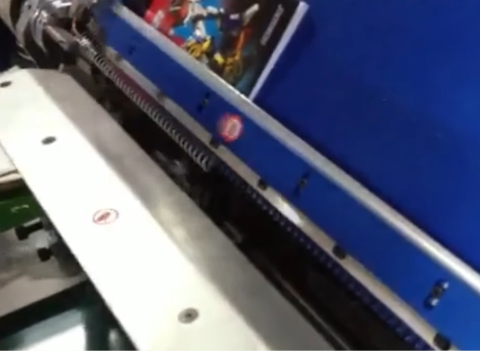
2. Simultaneous Forming and BindingAs the wire is formed into a continuous spiral, it is immediately guided into the book’s punched holes. The book is held in place by a clamping mechanism, and the spiral is fed through from the first hole to the last. Because forming and binding happen together, there is no separate step of collecting pre‑made coils or manually aligning them with the holes. The machine automatically matches the coil length to the book width, cutting the spiral precisely when it reaches the last hole. 3. Automatic End Cutting and ClosingOne of the most tedious manual steps in coil binding is cutting the coil ends and closing (crimping) them so the wire does not unwind. The Spiral Forming and Binding Machine performs this automatically. After the coil has been fully inserted, two cutting knives trim the excess wire flush with the book edges. Then, pneumatically or servo‑driven closing tools bend the cut ends inward, forming a smooth, secure loop that prevents the coil from slipping out. The result is a professional finish – no sharp wire ends, no loose coils, and no need for a separate crimping station. 4. Automatic Book CollectionAfter the ends are closed, the finished book is automatically released from the binding station and drops into a collection tray or conveyor. The operator does not need to manually remove each book, allowing them to load the next book or tend to other tasks. For high‑volume production, multiple books can accumulate in the tray, and the operator can batch‑collect them at intervals. 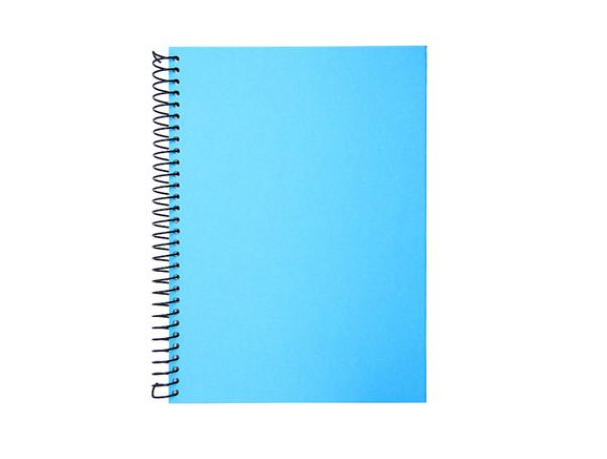
Applications in Bookbinding and Print FinishingThe Spiral Forming and Binding Machine is used extensively for: Notebooks and journals – from inexpensive school notebooks to premium leather‑look diaries. Calendars and planners – wall calendars, desk planners, and appointment books that need to lie flat and flip easily. Cookbooks and recipe books – users appreciate the 360‑degree flat opening when following instructions. Technical manuals and reports – spiral binding allows documents to be folded back, saving desk space.
The machine works with pre‑punched books (either punched inline or offline). Wire materials can include coloured PVC‑coated wire, bare steel, or even plastic coil (with appropriate forming tools).
Labour Savings and Productivity GainsConsider a typical manual coil binding line: one person selects a pre‑formed coil, inserts it through the first few holes, a second person (or the same operator) spins the coil through the remaining holes, and then both ends are crimped with a hand tool. A skilled team might produce 150–200 books per hour. With the Spiral Forming and Binding Machine, a single operator can load pre‑punched books into the binding station, press a foot pedal or button, and watch as the wire is formed, inserted, cut, and closed – all in about 10–15 seconds per book. That translates to 240–360 books per hour, with less physical effort and near‑zero waste from mismatched coils. Because the machine forms the exact length needed, there is no leftover coil scrap. And because the ends are automatically closed consistently, there are no returns due to loose spirals falling out.
Built by a World‑Leading Post‑Press Precision ManufacturerAs a globally recognised manufacturer of post‑press equipment, we design every machine for reliability, safety, and ease of use. The Spiral Forming and Binding Machine features a robust welded steel frame, precision‑ground forming rollers, and an intuitive control panel. Safety guards prevent access to moving parts while the machine is cycling, and the electrical system meets international standards. We also provide comprehensive training – your operators will learn how to change moulds, adjust tooth pitch, and perform routine maintenance quickly. With a worldwide network of service engineers and spare parts, you can count on minimal downtime. 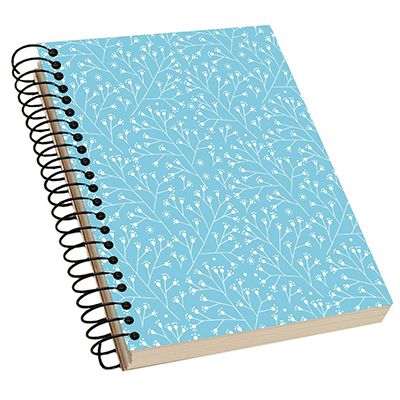
ConclusionThe Spiral Forming and Binding Machine brings true automation to coil binding. By combining wire forming, insertion, end cutting, closing, and collection into one seamless cycle, it eliminates the inefficiencies of pre‑made coils and manual crimping. Changeover is fast and flexible – simply swap the mould and adjust the tooth pitch to handle different wire specifications. The machine pays for itself quickly through reduced labour, increased output, and lower inventory costs. If you are still manually threading coils or struggling with inconsistent crimps, it is time to upgrade. Contact us today for a demonstration and see how in‑line forming and binding can transform your finishing department.
|