Semi-Auto Cover Casing-In Machine: The Smart Upgrade for Hardcover Bookbinding Efficiency


Introduction: Why Casing-In Matters in Hardcover Production

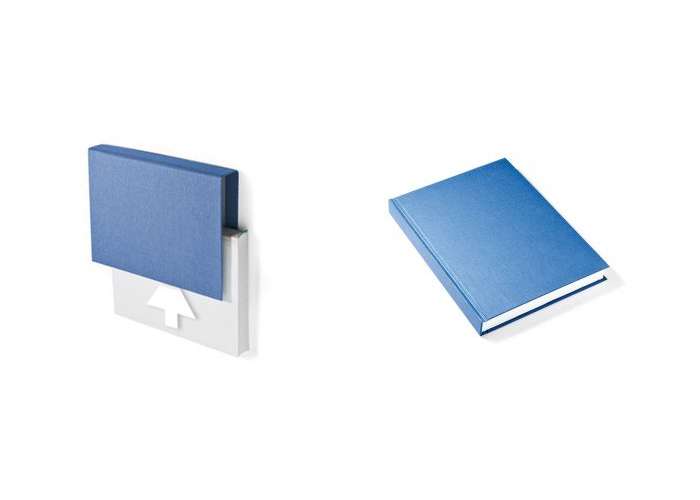
Every high-quality hardcover book, notebook, or photo album relies on one critical step: casing-in. This is the process of attaching the book block (the pages) to the cover case. When done poorly, books become misaligned, spines crack, and covers peel. When done well, the result is a professional, durable, and beautiful product that customers love.

For many small to medium-sized binderies, digital print shops, and photo book manufacturers, manual casing-in has been the only affordable option. But manual work is slow, inconsistent, and physically demanding. On the other end of the spectrum, fully automatic casing-in lines cost hundreds of thousands of dollars and require large production volumes to justify the investment.

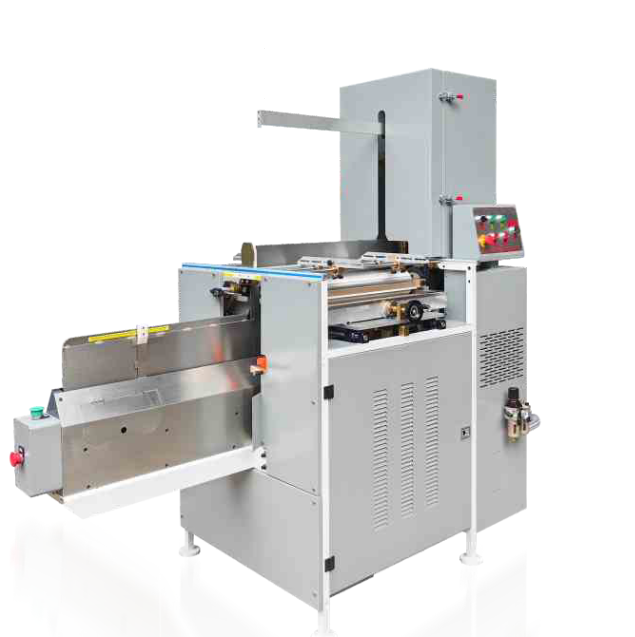
There is a middle ground. The Semi-Auto Cover Casing-In Machine delivers the precision and speed of automation where it matters most, while keeping the operator in control. It is specifically designed for businesses that produce notebooks, photo books, hardcover books, and PU softcover books – typically in small to medium runs. This article explores how this machine solves real production problems, boosts quality, and cuts labor costs.


The Core Problem: Manual Casing-In Limits Growth

Let us look at a typical manual casing-in workflow. An operator picks up a cover, applies glue (often already done by a separate gluing machine), then manually positions the book block inside the cover. They press the book block down, fold the endpapers, and then manually create the spine hinges using a bone folder or a pressing board. Finally, they stack the finished books by hand.

This process has several hidden costs:

  • Inconsistent alignment – Even skilled operators will occasionally place the book block off-center or skewed. This creates rejects and customer complaints.

  • Fatigue and injury – Repetitive pressing and folding strains hands, wrists, and shoulders. Operator speed drops significantly after the first hour.

  • Slow throughput – A skilled manual operator might produce 150 to 200 books per hour under ideal conditions. That barely covers demand during peak seasons.

  • Training dependency – Finding and training workers who can consistently produce high-quality casing-in is increasingly difficult.

The Semi-Auto Cover Casing-In Machine addresses every one of these issues without requiring a full factory overhaul.


How the Semi-Auto Cover Casing-In Machine Works

This machine is designed around a simple but highly effective workflow. The operator remains involved only where human judgment and dexterity are still needed. Everything else is automated.

Step 1 – Automatic cover feeding
The machine is equipped with a dedicated feeder that automatically picks up one cover at a time from a stack and delivers it to the casing-in station. The operator no longer needs to reach, grab, and position each cover manually. This alone saves seconds per book and eliminates cover mis-feeds.

Step 2 – Book back pre-creasing
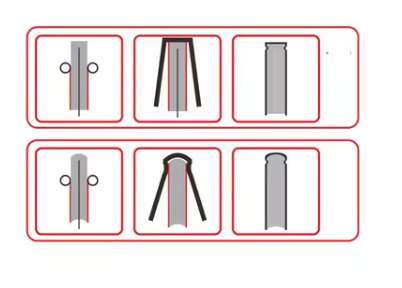
Before the book block meets the cover, the machine pre-creases the spine area of the book block. This seemingly small function has a massive impact on final quality. The pre-crease ensures that the cover material folds exactly along the hinge line, producing a sharp, consistent spine groove. It also prevents the cover material (especially PU leather or thick book cloth) from cracking after the book is opened repeatedly.

Step 3 – Manual book block placement with alignment guide
The operator takes a pre-glued book block and places it onto the positioned cover. An integrated alignment device (mechanical stops or visual guides) helps the operator position the book block precisely within the cover. Because the cover is already held in place by the feeder mechanism, the operator can focus entirely on alignment. There is no risk of the cover shifting.

Step 4 – Automatic pressing and grooving
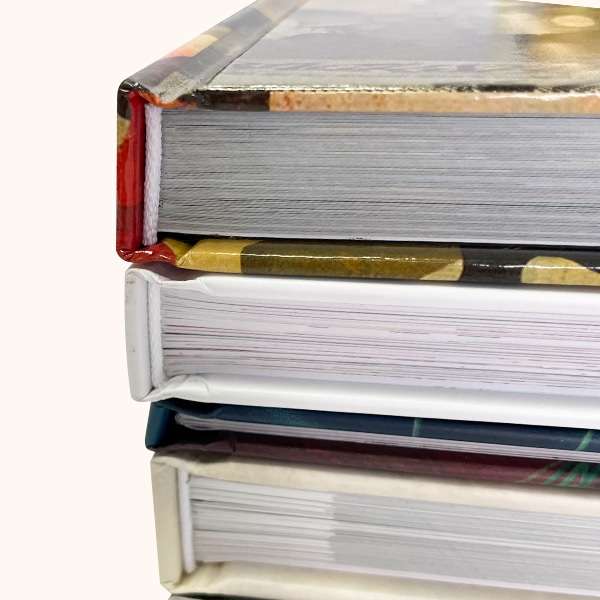
Once the operator confirms placement (often via a two-hand safety switch), the machine automatically presses the entire book and creates the final grooves on both sides of the spine. The pressing force is even and consistent, eliminating hand fatigue and ensuring that endpapers bond tightly to the cover boards. The grooving action produces bookstore-quality hinges every time.

Step 5 – Automatic finished book ejection
After pressing and grooving, the machine automatically pushes the finished book onto a stacker or conveyor belt. The operator does not need to pull the book out or stack it. This reduces handling time and prevents accidental smudging of freshly glued covers.

The entire cycle takes only a few seconds. The operator’s role is reduced to: feeding a stack of covers, placing each book block, and pressing a button. The machine handles the rest.


Key Benefits for Your Production Floor

Let us examine why this machine is a practical investment for any bookbinding operation.

Labor savings that pay for the machine
With one operator, the Semi-Auto Cover Casing-In Machine easily outproduces two or three manual workers – with better consistency. The automatic delivery and pre-creasing functions eliminate the most time-consuming manual steps. Many users report that the machine pays for itself within six to twelve months of normal operation.

Perfectly consistent quality
The alignment device and automatic pressing remove the variability introduced by human hands. Every book block is cased in straight, with even pressure. The spine grooves are identical from book to book. This consistency is especially valuable for photo books and premium notebooks where customers expect perfection.

Reduced training time
New operators can be productive after just one hour of instruction. The machine guides them through each step. There is no need to teach complex manual folding techniques or how to judge squareness by eye. This reduces the cost and stress of hiring skilled bindery workers.

Flexibility for different products
Because the machine is semi-automatic, it handles short runs and size changes easily. The operator can adjust for different book thicknesses, cover sizes, and spine widths quickly – often without tools. This makes the machine ideal for digital print shops that produce everything from thin 3mm notebooks to thick 50mm photo albums.

Safer working environment
Manual casing-in involves repetitive pressing, twisting, and lifting. Over time, this leads to repetitive strain injuries. The automatic pressing and ejection features eliminate most of these physical demands. Operators stay fresher longer, and workplace injury claims drop.


Applications: Which Products Benefit Most?

The Semi-Auto Cover Casing-In Machine is not a one-trick pony. Its design accommodates a wide variety of bound products.

Notebooks and journals
These are typically high-volume items where speed and consistent alignment matter. The automatic cover feeder and ejection system keep production moving fast, while the pre-creasing ensures that notebook spines open flat without cracking.

Photo books
Photo book manufacturers cannot tolerate misaligned covers or damaged spine edges. Customers expect museum-quality presentation. The alignment device and precision grooving deliver exactly that. And because photo books often use glossy or coated cover materials, the heating effect from the pre-creasing helps prevent peeling.

Hardcover books
From children’s picture books to thick reference manuals, the machine handles standard hardcover construction with ease. The automatic pressing ensures that endpapers bond fully to the boards, eliminating hollow bubbles that often appear in manual work.

PU softcover books
PU (polyurethane) leather is popular for diaries and premium softcover notebooks because it feels luxurious and wears well. However, PU is sensitive to folding – it can wrinkle or crease badly. The machine’s controlled pre-creasing and grooving eliminate these problems, producing clean, tight hinges.

Custom and short-run publications
Digital printing has created demand for very small runs – sometimes just one or two copies. A fully automatic line cannot economically handle these jobs. The semi-auto machine changes over quickly and requires no tooling, making it perfect for on-demand bookbinding services.


Semi-Auto vs. Fully Automatic: Which Is Right for You?

Some buyers wonder whether they should skip the semi-auto machine and invest directly in a fully automatic casing-in line. The answer depends on your production volume and product mix.

A fully automatic line is wonderful if you produce the same book size by the tens of thousands every day. It requires dedicated operators, maintenance technicians, and a large floor space. Changeover between jobs can take hours. The investment is often over USD 100,000.

The Semi-Auto Cover Casing-In Machine is designed for the other 95% of binderies – those producing 500 to 5,000 books per day, running multiple sizes, and needing quick changeovers. It costs a fraction of a fully automatic line. It occupies a small footprint. One operator can run it all day with minimal fatigue.

In many cases, a single semi-auto machine paired with one operator will outproduce three or four manual workers. That is often all the capacity a growing shop needs. And when demand increases further, you can always add a second machine – still at a lower total investment than one fully automatic line.


Conclusion: A Practical Path to Better Bookbinding

The Semi-Auto Cover Casing-In Machine is not the most glamorous machine in the bindery, but it may be the most profitable. It solves the three biggest challenges in hardcover production: labor cost, quality consistency, and operator training. It respects the operator as a skilled decision-maker while automating the repetitive, strength-demanding tasks.

For publishers, printing houses, photo book manufacturers, and binderies that produce notebooks, hardcovers, and PU softcover books, this machine represents a low-risk, high-return investment. It bridges the gap between slow manual work and expensive full automation. It delivers bookstore-quality results, run after run, with one person at the controls.

If you are currently casing-in by hand – or struggling with an old, unreliable machine – it is time to see what a modern semi-auto cover casing-in machine can do for your business.


Tag:semi-auto cover casing in machine,hardcover book casing machine,automatic cover feeder for bookbinding,book back pre-creasing function

Get in touch with Us

Please Leave Your Messenger Here!

  • Dealer End User

We will do our best to make your business prosperous!

QUOTE