|
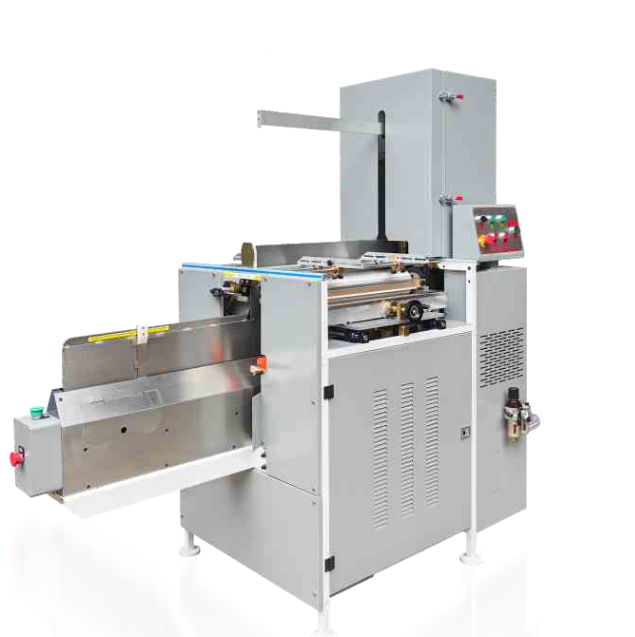
In any bookbinding operation, the casing‑in step – attaching a book block to its cover – directly defines the look, feel, and durability of the final product. For notebooks, photo books, hardcovers, and PU softcovers, a perfectly centered block with crisp hinges and uniform pressure is the mark of professional quality. Yet for many binderies, manual casing‑in remains slow, inconsistent, and physically demanding. The Semi Auto Cover Casing In Machine changes that. It automates the repetitive, labor‑intensive tasks while keeping the operator in control for quick job changes. In this article, we introduce two models – the HXCIM360 and the HXCIM560 – that share the same core intelligent features, with one key difference. Both are designed to save labor, improve consistency, and boost your daily output.
What Makes a Semi‑Auto Casing‑In Machine Essential?Manual casing‑in requires an operator to pick a cover, position the book block by eye, press it down, and then transfer it to a separate creasing device. Even skilled workers produce only 150–200 books per hour, and alignment errors cause waste. A fully automatic line is expensive and overkill for short‑run or mixed‑size production. A semi‑automatic machine offers the best of both worlds. The operator only loads the book block onto the prepared cover and starts the cycle. The machine automatically handles: Case delivery – feeding covers one by one from a stack Book back pre‑creasing – scoring the spine area for a clean fold Alignment – centering the book block precisely within the cover Pressing & creasing – applying uniform pressure and forming hinge grooves Output delivery – ejecting the finished book
The result: one operator can produce 300–500 books per hour with near‑zero alignment errors, and changeovers between different book sizes take only minutes.
HXCIM360 & HXCIM560 – Shared Core FeaturesBoth the HXCIM360 and the HXCIM560 are built around the same proven semi‑automatic workflow. They offer: Automatic Case Feeder
A stack feeder automatically delivers covers one by one to the working position. The operator simply refills the stack when needed – no manual picking and placing. This alone reduces handling time by more than half. Book Back Pre‑Creasing
Before the book block touches the cover, the machine pre‑creases the spine area of the cover. This ensures the cover folds exactly where it should, eliminating cracks, wrinkles, or uneven hinges. Whether you are using thick board for hardcovers or flexible PU for softcovers, the pre‑creasing guarantees a professional result. Precision Case‑In Alignment Device
Misaligned covers are the most common defect in manual casing‑in. The HXCIM series uses an adjustable alignment device with side guides and a front stop. The operator places the book block onto the cover, and the alignment system centres it perfectly – repeatable to within fractions of a millimetre. No guesswork, no skewed books. Automatic Pressing and Creasing
Once the operator confirms alignment, the machine lowers a powerful press to bond the cover to the book block. Then, integrated creasing wheels form the hinge grooves – clean and consistent on every book. The pressure and creasing depth are easily adjustable for different paper types and cover materials. Automatic Finished Product Delivery
After pressing and creasing, the finished book is automatically ejected onto a stacking tray or conveyor. The operator does not need to reach in and remove each book – the machine does it, keeping the workflow smooth and safe. Labor Savings That Pay Off
With these five automated functions, a single operator can manage what previously required two or three people. In a typical bindery producing notebooks or photo books, the labor cost savings alone often pay for the machine within 12 months. 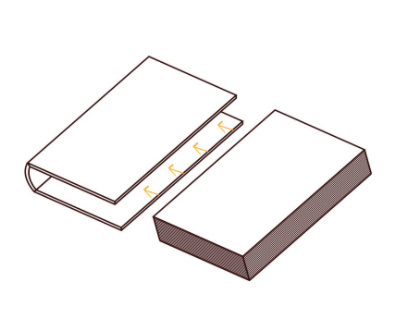
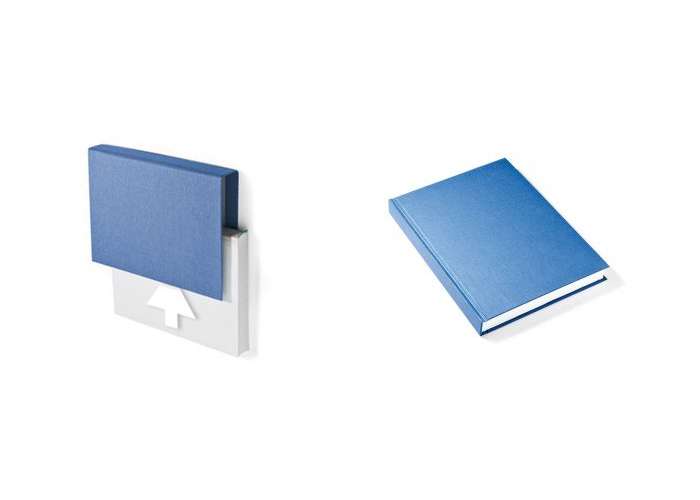
The Difference: HXCIM360 vs. HXCIM560The HXCIM360 and HXCIM560 share the exact same core functionality described above. They both offer automatic case feeding, pre‑creasing, alignment, pressing, creasing, and automatic delivery. They are both built for durability and easy operation. The main difference lies in the optional roller pressing function, which is available on the HXCIM560 but not on the HXCIM360. What is roller pressing?
For certain books – especially those with very thick covers, PU softcovers, or books that require an extra‑flat hinge area – a secondary roller pressing station can be added. After the main press and creasing, the book passes through a set of precision rollers that apply a second, uniform pressure across the entire cover and spine. This eliminates any residual spring in the cover board and ensures that the book lies perfectly flat when opened. The roller function is particularly valued by manufacturers of photo books, art catalogs, and PU‑covered notebooks, where the final book must open completely flat without any cover curl. The HXCIM560 can be ordered with this optional roller pressing unit. The HXCIM360, while equally capable in standard casing‑in, does not support this add‑on. For most hardcover books, children’s board books, and general notebooks, the standard pressing and creasing of the HXCIM360 are perfectly sufficient. For premium applications where flat opening is critical, the HXCIM560 with roller pressing offers an extra level of finishing quality. 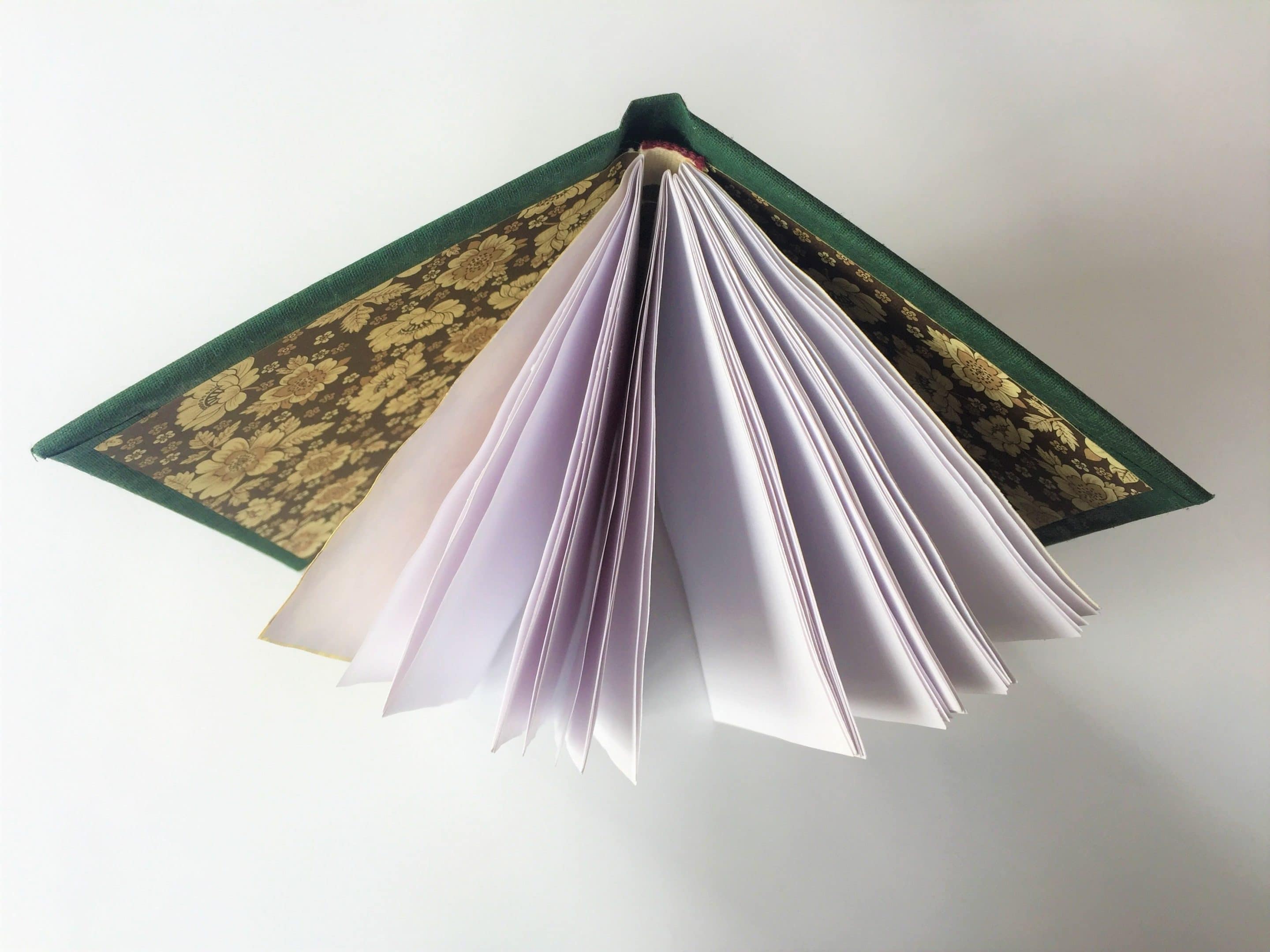
Real‑World Productivity GainsUsers of both models report dramatic improvements in their bindery workflow. Case study – Notebook manufacturer:
A mid‑size notebook maker switched from manual casing‑in to the HXCIM360. Their output per operator increased from 180 books per hour to over 350 books per hour. Reject rates due to misaligned covers dropped from 5% to under 0.5%. The machine paid for itself in 10 months. Case study – Photo book bindery:
A photo book specialist needed perfectly flat opening for their premium line. They chose the HXCIM560 with roller pressing. The roller station eliminated the slight cover lift that had been a customer complaint. Production speed reached 420 books per hour with just one operator, and they won two new contracts because of the improved finish. Flexibility and changeover:
Both models allow quick changeovers between different book sizes. The operator adjusts the side guides and stops – a process that takes less than five minutes. For binderies that run dozens of different titles per week, this flexibility is essential. 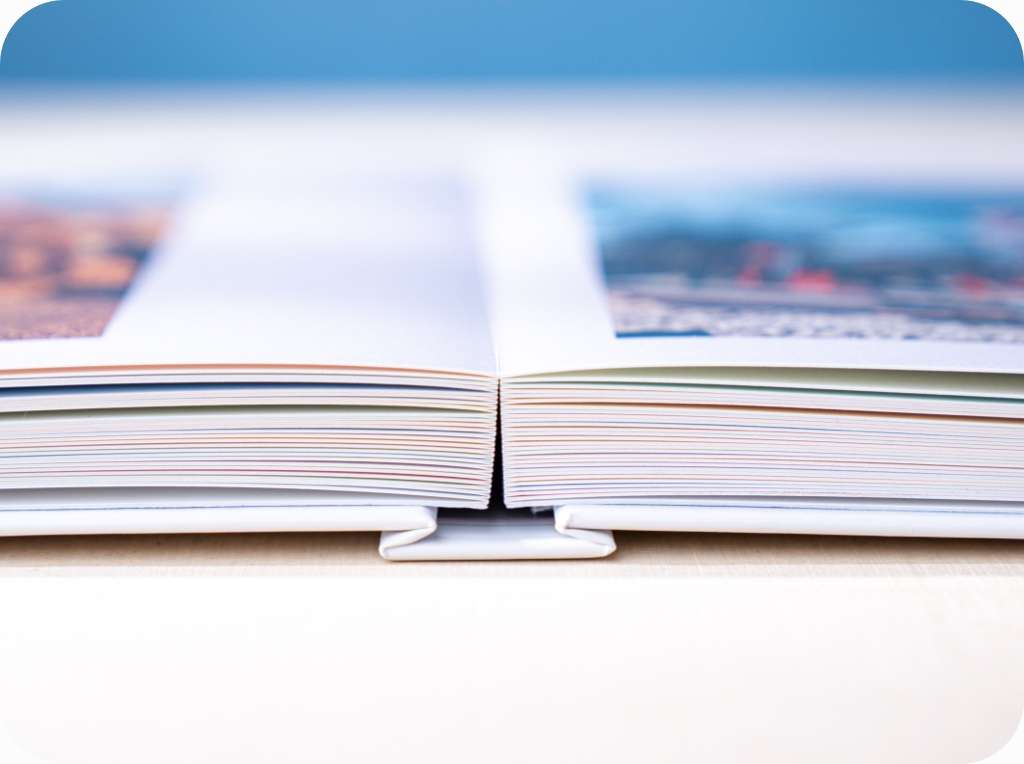
Built for Reliability, Backed by ExpertiseAs a world‑leading manufacturer of post‑press precision equipment, we design every HXCIM machine for continuous, trouble‑free operation. The steel frame is welded and stress‑relieved. The pneumatic and hydraulic components are from globally respected brands. Each machine is tested at our ISO‑9001 factory before shipment. We also provide full training, installation support, and a global spare parts network. When you invest in an HXCIM360 or HXCIM560, you are not just buying a machine – you are gaining a partner who understands bookbinding.
Which Model Is Right for You?Choose the HXCIM360 if you produce standard hardcovers, notebooks, or PU softcovers and want a reliable, high‑efficiency semi‑auto casing‑in machine without the need for extra roller pressing. Choose the HXCIM560 if you also produce photo books, art books, or any premium product that must open perfectly flat, and you want the option to add a roller pressing station for that extra touch of quality.
Both models dramatically reduce labor, eliminate alignment errors, and boost daily output. They are the ideal step up from manual casing‑in and a cost‑effective alternative to fully automatic lines.
|