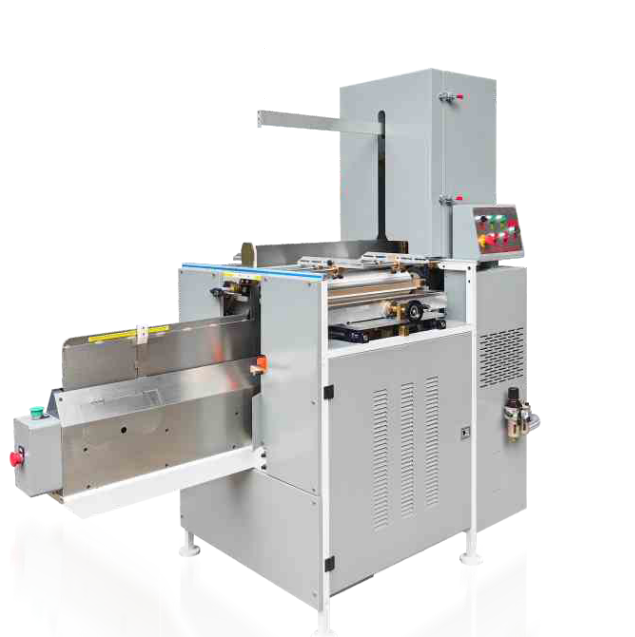
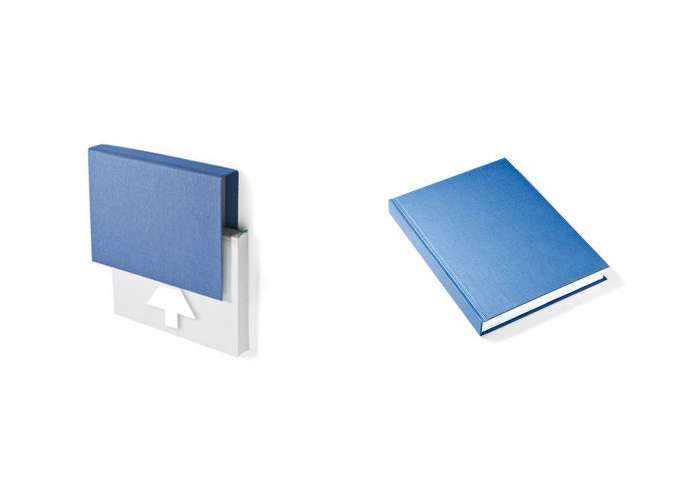
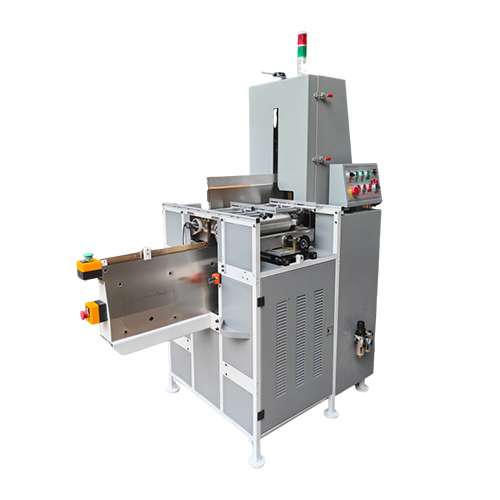
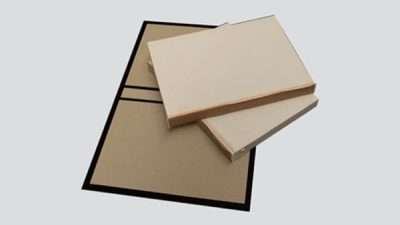
Semi Auto Cover Casing In Machine: Precision, Automation & Labor Savings for Modern BookbindingIn the world of professional bookbinding, the casing‑in process is where a book truly comes to life. It is the critical step that joins the book block with its cover – and any imperfection here directly affects product quality, durability, and customer satisfaction. For manufacturers of notebooks, photo books, hardcover books, and PU softcover books, achieving a flawless casing‑in result at a reasonable production cost has always been a balancing act. The Semi Auto Cover Casing In Machine is designed to tip that balance firmly in your favor – offering intelligent automation, exceptional precision, and significant labor savings without the complexity or cost of a fully automatic line. Why a Semi‑Automatic Casing‑In Machine?
Many binderies assume that only fully automatic machines can deliver high quality and efficiency. However, a well‑designed semi‑automatic casing‑in machine offers the best of both worlds: it automates the most repetitive, labor‑intensive tasks while keeping the operator in control for quick changeovers and flexible job handling. This makes it an ideal solution for small to medium‑sized binderies, print shops, and even large‑volume producers who need to handle diverse book sizes and cover materials without excessive downtime. The machine described here goes a step further. It integrates five key automated functions that dramatically reduce manual work, improve consistency, and accelerate production – all while maintaining a compact footprint and user‑friendly operation: 1. Automatic Case Feeder – Smooth, Continuous Production Feeding covers (cases) one by one is traditionally a manual, repetitive task that can cause fatigue, errors, and bottlenecks. Our Semi Auto Cover Casing In Machine features a dedicated feeder for automatic case delivery. The feeder reliably separates and delivers each cover to the casing‑in station, ensuring a steady workflow. The operator no longer needs to pick and position every cover – they simply load the stack and let the machine handle the rest. This alone can reduce handling time by 40‑50% and allows one operator to manage a much higher output.
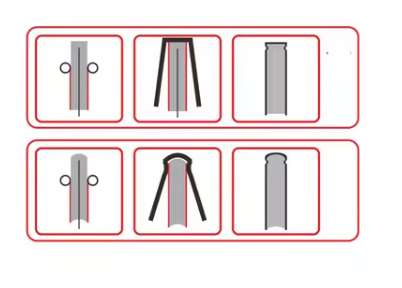
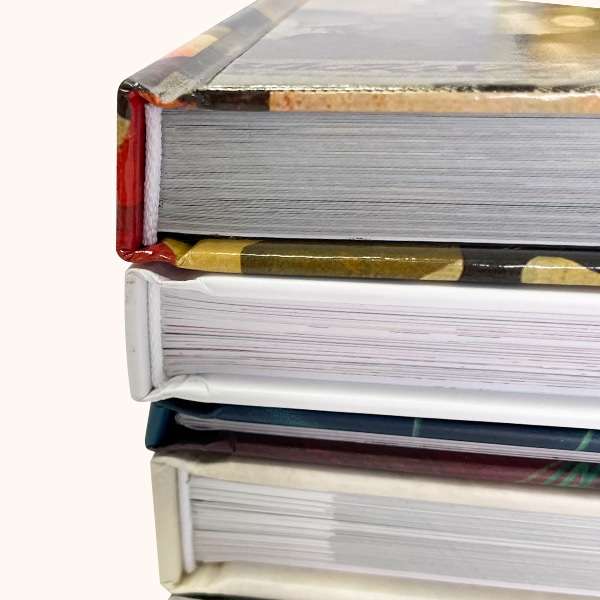
2. Book Back Pre‑Creasing – The Secret to a Professional Spine A common defect in casing‑in is a poorly formed spine – wrinkles, creases that crack, or a loose hinge. To eliminate these problems, the machine incorporates a book back pre‑creasing function. Before the book block is inserted, the cover’s spine area is precisely scored. This pre‑creasing ensures that the cover folds cleanly and evenly around the book block, creating a tight, durable, and aesthetically perfect spine. Whether you are binding thick board books, flexible PU softcovers, or elegant photo books, this feature delivers consistent, high‑end results. 3. Case‑In Alignment Device – Centered Every TimeMisalignment is another major headache in cover casing‑in. An off‑center book block, uneven overhangs, or a skewed cover immediately makes the book look cheap and can lead to returns or waste. This machine is equipped with a case‑in alignment device that precisely positions the book block inside the cover before pressing. The alignment is repeatable to within fractions of a millimeter, ensuring that every finished book meets strict quality standards. Operators can confidently run job after job without constant readjustment.
4. Automatic Pressing and Creasing Once the book block is correctly aligned, the machine automatically performs pressing and creasing in one integrated operation. Uniform pressure bonds the cover to the book block, while the creasing mechanism forms clean, consistent hinge grooves. This dual action not only improves the book’s appearance but also enhances its durability and ease of opening. Unlike manual pressing, which can be inconsistent, the automated process guarantees the same result on every cycle. |
| Tag:casing in machine,hardcover book,cover casing in machine |
Please Leave Your Messenger Here!
We will do our best to make your business prosperous!