|
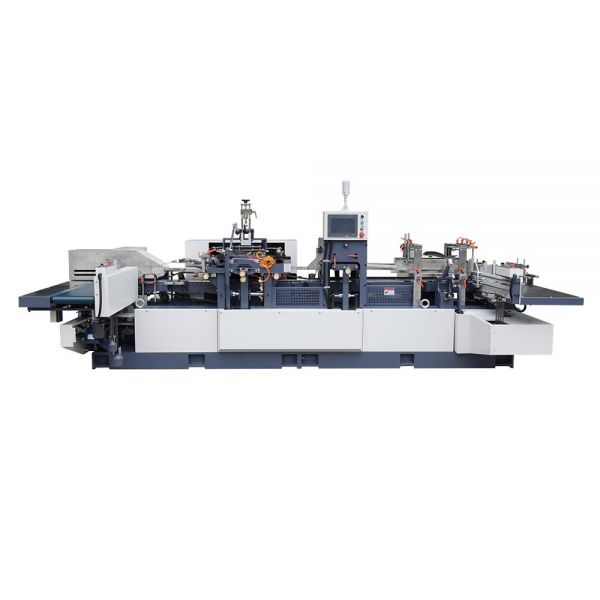
In the world of professional bookbinding, the cover is the first thing a reader sees. A well‑finished cover with crisp flaps, clean creases, and a perfectly trimmed front edge signals quality and craftsmanship. For publishers, printers, and binderies producing trade paperbacks, art books, and premium publications, the process of creating these flapped covers has traditionally been slow, labor‑intensive, and prone to inconsistency. Enter the High Speed Book Flapping Machine – a purpose‑built system that automates the three most critical steps of cover binding finish: book block front cutting, book cover creasing, and folding. With a top speed of 4,200 pieces per hour, a reliable Schneider control system, and the ability to connect directly to a perfect binding line, this machine represents a significant leap forward in post‑press efficiency. This article explains what a book flapping machine does, why it matters, and how the latest high‑speed technology is transforming cover finishing for binderies around the world.
What is a Book Flapping Machine?Before diving into technical details, let us clarify the term. In bookbinding, a flap (sometimes called a “French fold” or “dust jacket fold”) is the portion of a paperback cover that folds over the book block’s front and back edges. Think of a typical paperback novel: the cover extends slightly beyond the pages, and the edges are folded inward to create a clean, durable finish. A book flapping machine (also known as a cover creasing and folding machine or flap folder) is designed to automate this finishing process. It takes a book block (already bound, typically perfect‑bound) and a separate cover, then performs three operations in one continuous cycle: Trimming the front edge of the book block – ensuring the pages are perfectly flush before the cover is applied. Creasing the cover – scoring the spine area and flap hinge lines so the cover folds neatly without cracking. Folding the flaps – turning the cover edges inward to wrap around the book block.
When these steps are done manually or on separate machines, the risk of misalignment, inconsistent creases, and slow production is high. A dedicated high‑speed flapping machine eliminates those problems.
Why 4,200 Pieces per Hour MattersSpeed is often the first specification people look at. 4,200 pieces per hour means the machine processes more than one book per second. For a bindery running a typical 8‑hour shift, that translates to over 33,000 finished books – enough to complete a substantial print run in a single day. But raw speed is meaningless without stability and precision. The High Speed Book Flapping Machine achieves its rate through: Servo‑driven material handling – covers and book blocks are fed, aligned, and discharged with millisecond timing. Simultaneous or overlapping operations – while one book is being creased, the next is being aligned for cutting. Fast changeover – the Schneider control system stores job recipes, allowing operators to switch between different book sizes in under two minutes.
The result is a machine that keeps pace with modern high‑speed perfect binding lines without becoming a bottleneck. 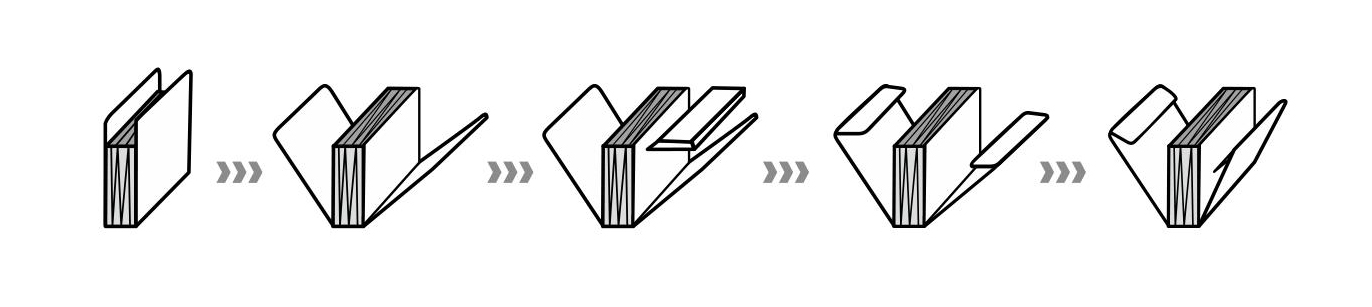
Three Core Processes – Engineered for Perfection1. Book Block Front CuttingBefore a cover can be folded around a book block, the block’s front edge (the fore‑edge opposite the spine) must be trimmed. This serves two purposes: it removes any irregularities from the binding process, and it creates a clean, uniform surface that aligns perfectly with the cover’s edge. The cutting unit on the High Speed Book Flapping Machine uses a rotary or guillotine‑style knife driven by a servo motor. The cutting depth and speed are programmable. For thicker book blocks (up to 50 mm or more), the machine can optionally perform a “two‑pass” cut to ensure a smooth edge without pulling or tearing paper fibers. Because the cutting station is integrated directly before the creasing and folding stations, there is no need to transfer book blocks between separate machines. Alignment is maintained throughout the entire process. 2. Book Cover CreasingCreasing is perhaps the most delicate step. The cover – often made of coated paper, laminated stock, or even flexible PVC – must be scored along precise lines: Spine crease – where the cover wraps around the book’s spine. Hinge creases (front and back) – where the cover folds to create the flap. Optional flap depth crease – defining how wide the folded flap will be.
The machine employs a dual‑wheel or pressure‑beam creasing system. The upper and lower creasing wheels (or a stationary beam and a moving beam) press a rounded ridge into the cover without cutting the paper. Pressure is adjustable via the Schneider touchscreen, allowing operators to fine‑tune for different cover stocks. Proper creasing is critical. If the pressure is too light, the fold will be bulky and uneven. If too heavy, the coating may crack or the paper may split. The High Speed Book Flapping Machine’s precision pressure control ensures a consistent, professional result every time. 3. Folding the FlapsOnce the cover is creased, the machine folds the flaps inward. This is accomplished by pneumatic or servo‑driven folding plates that rotate the cover’s edges by 90° or 180°, depending on the design. The flaps are then pressed flat against the book block by a pair of nip rollers or a short dwell press. The folding station is designed to handle a wide range of cover thicknesses, from lightweight 120 gsm paper to heavy 350 gsm board. Anti‑static devices prevent paper sticking, and adjustable guides ensure the flap folds squarely – no “dog‑ears” or skewing. After folding, the finished book is gently ejected onto a stacker conveyor or directly into a collecting bin. The entire cycle – from feeding the book block and cover to delivering the finished flapped book – takes less than one second at top speed. 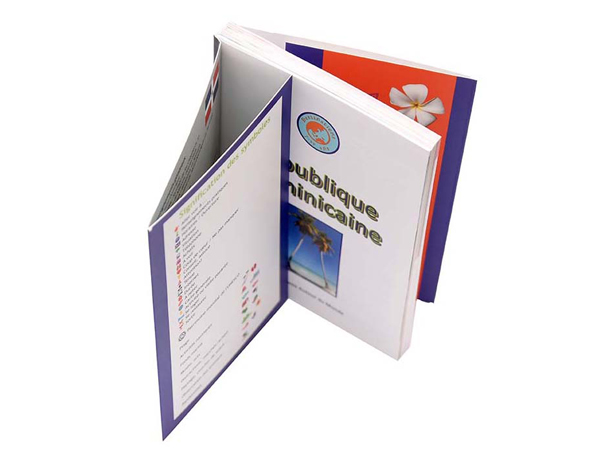
Schneider Control System – Reliability You Can TrustIndustrial machinery is only as good as its control system. The High Speed Book Flapping Machine is equipped with a Schneider Electric PLC and HMI – a globally recognized platform known for robustness, ease of programming, and real‑time diagnostics. Key benefits of the Schneider system include: Intuitive touchscreen interface – Operators see a graphical representation of the book and cover, and simply type in dimensions: book block thickness, cover width, flap depth, crease positions. The machine automatically calculates and sets all parameters. Recipe storage – Save up to 1,000 job recipes. Switching from a 150 mm tall novel to a 240 mm tall art book takes less than two minutes. Diagnostic monitoring – If a misfeed or jam occurs, the screen displays the exact sensor or station involved, drastically reducing troubleshooting time. Remote support capability – With an optional network connection, our service engineers can log in to assist with complex adjustments or software updates.
The combination of high‑speed mechanics and a stable, industrial‑grade control system gives binderies the confidence to run the machine continuously on two or three shifts.
Seamless Integration with Perfect Binding LinesA major advantage of this machine is its ability to be connected inline with a perfect binding line. In many binderies, book blocks exit the perfect binder (after spine preparation, glue application, and cover attachment) and are then manually stacked, moved, and fed into a separate flapping machine. This interstage handling costs time, labor, and introduces alignment errors. The High Speed Book Flapping Machine solves this by offering: Direct conveyor interface – The machine accepts book blocks directly from the perfect binder’s delivery belt. A synchronizing unit matches the binder’s output speed. Automatic size handshake – If the perfect binder is capable of communicating job dimensions (via digital I/O or optional industrial protocols like Profibus), the flapping machine can receive the size data and adjust itself automatically for each batch – or even for each individual book in a variable‑size scenario. One‑pass finishing – From a raw book block to a completely finished flapped book, without any manual intervention.
The benefits of inline integration are substantial: Reduced labor – One operator can monitor both the perfect binder and the flapping machine. Faster turnaround – No intermediate stacking or queuing. Improved quality – Each book block is transferred directly, preserving alignment. Space saving – No need for buffer tables or additional material handling equipment.
For binderies that still run short runs or variable jobs, the machine can also operate in stand‑alone, hand‑fed mode – offering maximum flexibility. 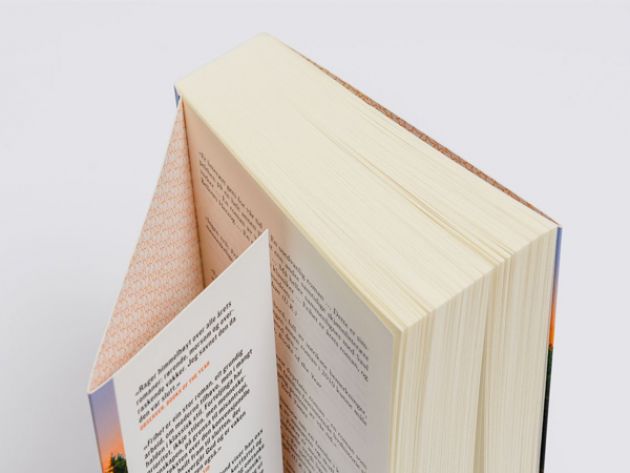
Built for Demanding Bookbinders – Optional FeaturesThe base machine already delivers impressive performance, but we also offer several optional features to meet specialized requirements: Variable flap depth servo drive – Allows the flap folding width to be changed programmatically, ideal for covers with different front and back flap dimensions. Round corner trimming unit – For books that require rounded corners (e.g., children’s books, notebooks), an optional corner trimmer can be integrated after the folding station. Anti‑scratch rollers – For laminated or soft‑touch matte covers, specially coated rollers prevent surface marks. Barcode reader interface – When connected to a production management system, the machine can automatically load the correct recipe by scanning a barcode on the book block or cover.
Practical Benefits for Your BinderyHigher ThroughputAt 4,200 books per hour, the machine can finish a typical run of 10,000 copies in under 2.5 hours – including changeover time. Overtime is reduced, and the binder is never waiting for the finishing department. Lower Labor CostsIn stand‑alone mode, one operator can load and monitor the machine. In inline mode, the same operator can also handle the perfect binder. Compared to manual or semi‑automatic methods, labor savings of 50–70% are common. Superior QualityAutomatic alignment, programmable creasing pressure, and precise cutting eliminate common defects: uneven flaps, cracked cover coatings, skewed folds, and rough fore‑edges. Your books will look and feel professionally finished. Fast Return on InvestmentFor a bindery producing 1.5–2 million flapped books per year, the savings in labor alone typically pay back the machine investment within 12 to 18 months. Add the value of reduced waste and the ability to take on new, high‑volume work, and the business case becomes even stronger. Future‑Proof TechnologyThe Schneider control system is upgradeable via software. As new features become available (e.g., advanced diagnostic routines, integration with Industry 4.0 systems), your machine can be updated without replacing hardware.
|