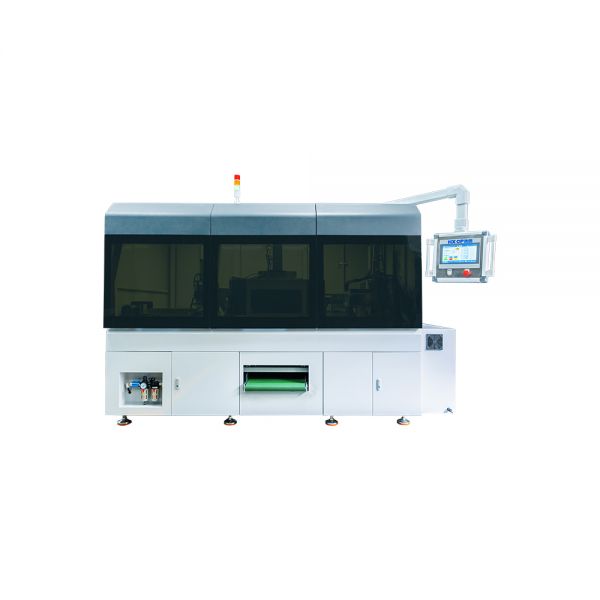
Digital Three-Knife Trimming: A Complete Guide to Modern Book Block Finishing
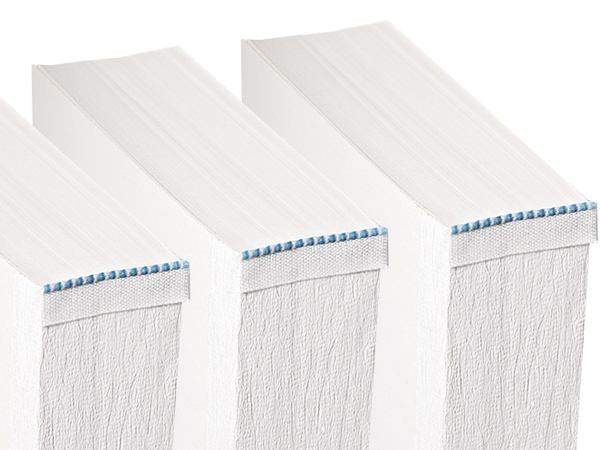
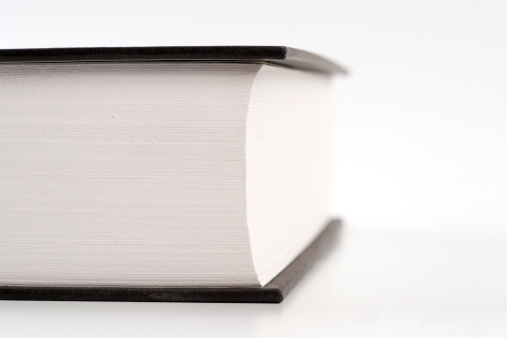
In the world of bookbinding, few processes are as critical – or as often misunderstood – as three‑knife trimming. Whether you produce paperback novels, photo books, notebooks, or manuals, the final step before the book reaches the reader’s hands is almost always a precise trim of the three open edges. This seemingly simple operation determines whether a book looks professionally finished or disappointingly uneven. With the rise of digital printing and short‑run binding, traditional trimming methods have struggled to keep up. Enter the digital three‑knife trimmer – a new generation of equipment that combines automation, precision, and flexibility. This article explains what three‑knife trimming is, why it matters, and how digital technology is transforming it for short‑run bookbinders. What is Three‑Knife Trimming?A three‑knife trimmer (also called a three‑side trimmer or book trimmer) is a machine that cuts the three open edges of a book block after it has been bound. These three edges are:
The spine edge is never trimmed, as it is already held together by glue, stitching, or other binding methods. The purpose of three‑knife trimming is twofold:
Without trimming, a book’s pages would stick out at different lengths, and the edges would look rough and unfinished. How Traditional Trimmers WorkConventional three‑knife trimmers are mechanical machines designed for long production runs. They use manual adjustments: the operator loosens screws, moves side guides and back stops with hand wheels or levers, and tightens everything again. Changing the book size typically takes 15 to 30 minutes – acceptable if you are running thousands of identical books, but disastrous for short‑run or print‑on‑demand workflows. Most traditional trimmers also rely entirely on the operator to square the book block manually. The operator places the book against fixed stops and visually checks if it is straight. Even a slight misalignment results in a skewed cut. The Digital DifferenceA digital three‑knife trimmer replaces most manual adjustments with servo motors and a computerized control system. The operator enters the desired finished book dimensions (width, length, and thickness) into a touchscreen interface. Within seconds, the machine automatically repositions its side guides, back gauge, clamping mechanism, and often the knife positions as well. Additionally, digital trimmers incorporate automatic alignment systems. After the operator (or an inline conveyor) places the book block on the table, the machine uses sensors and movable side stops to square the book perfectly – without any guesswork. This combination of automated setup and self‑alignment makes digital trimmers ideal for environments where job sizes change frequently.
Key Technologies Inside a Digital Three‑Knife TrimmerUnderstanding the core components helps explain why these machines are so effective for short‑run bookbinding. 1. Servo‑Driven Adjustment SystemSmall electric servo motors move the guides, stops, and knives to the exact positions based on the entered dimensions. Encoders provide continuous position feedback, ensuring accuracy to within a few tenths of a millimeter. Because the system is fully programmable, operators can save job recipes for different book formats. Switching from a pocket‑sized book to an A4 landscape book becomes a matter of selecting a name on the screen. 2. Automatic Book AlignmentBefore trimming, the book block must be square. A digital trimmer typically uses a two‑stage alignment:
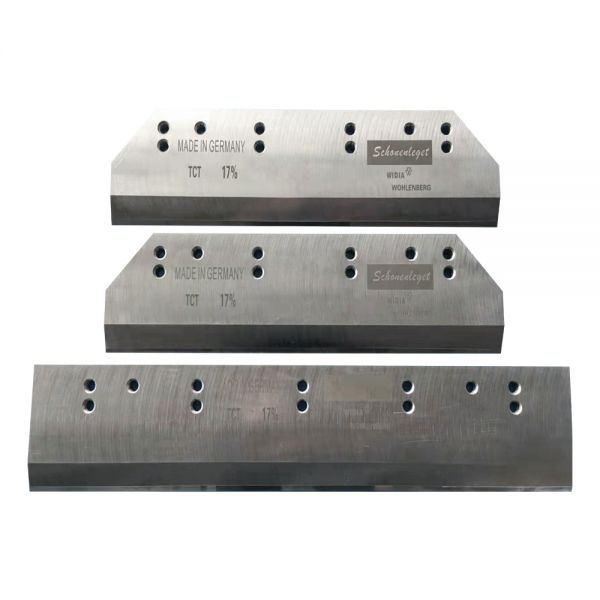
Some advanced machines also incorporate optical sensors that detect the book’s position and make micro‑adjustments. After alignment, a clamp descends to hold the book firmly under pressure – no shifting allowed. 3. Hydraulic or Servo‑Electric Knife DriveThe actual cutting action requires considerable force, especially for thick book blocks (e.g., 40–60 mm). Digital trimmers typically use either:
Both technologies are far more consistent than manual or pneumatic systems.
4. Three‑Step Cutting SequenceMost three‑knife trimmers cut the three edges in a specific order:
The book block is repositioned automatically between cuts on some designs, while others have two knives that cut head and tail simultaneously after the front cut. Digital controls allow the operator to skip any cut if needed (e.g., only trim head and tail, leaving the fore‑edge raw for a deckle‑edge look). 5. Integrated Pressing (Nipping)Air trapped between pages or wavy paper can cause the book block to “spring” during cutting, resulting in a ragged edge. Digital trimmers often include a pressing function – a hydraulic or pneumatic clamp that compresses the book block immediately before the knife descends. This pressing step is integrated into the same station, eliminating the need for a separate nipping press.
The Short‑Run Challenge: Changeover TimeTo understand why digital three‑knife trimmers are so valuable, consider a typical short‑run bindery. A digital printer may produce 50 copies of one title, then 200 copies of another, then 30 copies of a third – all with different page counts and trim sizes. If the bindery uses a traditional trimmer, each job change requires 15 minutes of manual adjustments. For 10 jobs per day, that is 2.5 hours of non‑productive time. Worse, frequent manual adjustments increase the risk of human error – a misread scale or a loose locknut can ruin an entire batch. A digital trimmer reduces changeover to less than 10 seconds per job. Over a day, that saves hours. The operator also gains confidence that the machine is correctly set every time.
|
| Tag:Digital,three-knife,trimming |
Please Leave Your Messenger Here!
We will do our best to make your business prosperous!